A visitor checks a wall of coffee seedlings at a coffee museum in Baoshan in September. LIANG ZHIQIANG/XINHUA
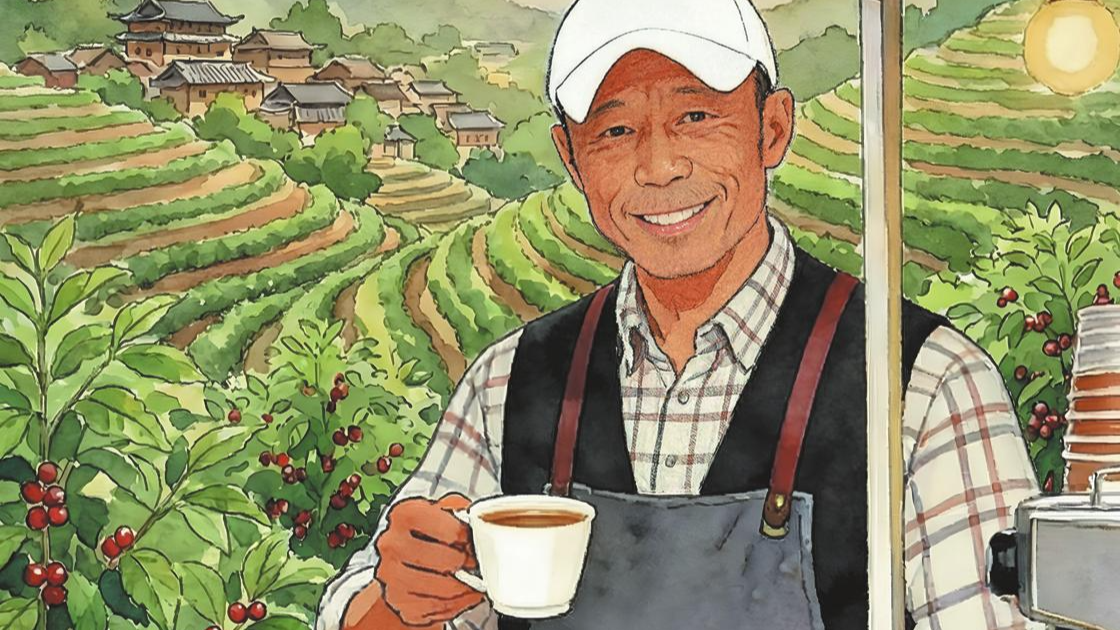
On a narrow road twisting through the Gaoligong Mountains of southwestern China, the refreshing scent of ripe coffee cherries lingers in the air. The slopes of Yunnan's Baoshan region are blanketed in deep green coffee trees, with their crimson fruit glistening under the sun.
Just years ago, this lush harvest remained largely unknown beyond the valleys. Today, thanks to an expanding rural delivery network, Baoshan's prized small-bean coffee is reaching customers around the globe.
Once isolated by geography and logistics, Baoshan's coffee industry is now thriving, riding a wave of e-commerce and a rapidly growing parcel delivery infrastructure that is reaching deep into China's remote villages. This fusion of agriculture and logistics is transforming lives, fueling rural vitalization and pushing Chinese coffee into the global spotlight.
A sip of recognition
In March, President Xi Jinping praised Yunnan coffee during an inspection tour of the province, calling it representative of China's coffee industry and noting its rising popularity abroad. That recognition has further boosted the momentum behind Baoshan's small-bean coffee — known for its delicate acidity, floral aroma and smooth finish.
Baoshan sits on the northernmost edge of the world's "coffee belt", a strip between 25 degrees north latitude and 30 degrees south latitude, known for ideal growing conditions. Nestled between the biodiversity-rich Gaoligong Mountains and the roaring Nujiang River, Baoshan's plantations range from 600 to 1,900 meters above sea level. Volcanic soil, abundant rainfall and a daily temperature swing of up to 16 degrees Celsius make it a prime location for high-quality Arabica beans, especially the Typica and Bourbon varieties.
With a coffee-growing history spanning more than 70 years, Baoshan has evolved from a niche producer to a recognized brand. Its beans have won international accolades and, in recent years, earned geographic indication protection both in China and the European Union.
But even as the beans earned gold medals abroad, getting them out of the mountains remained a problem for the locals.
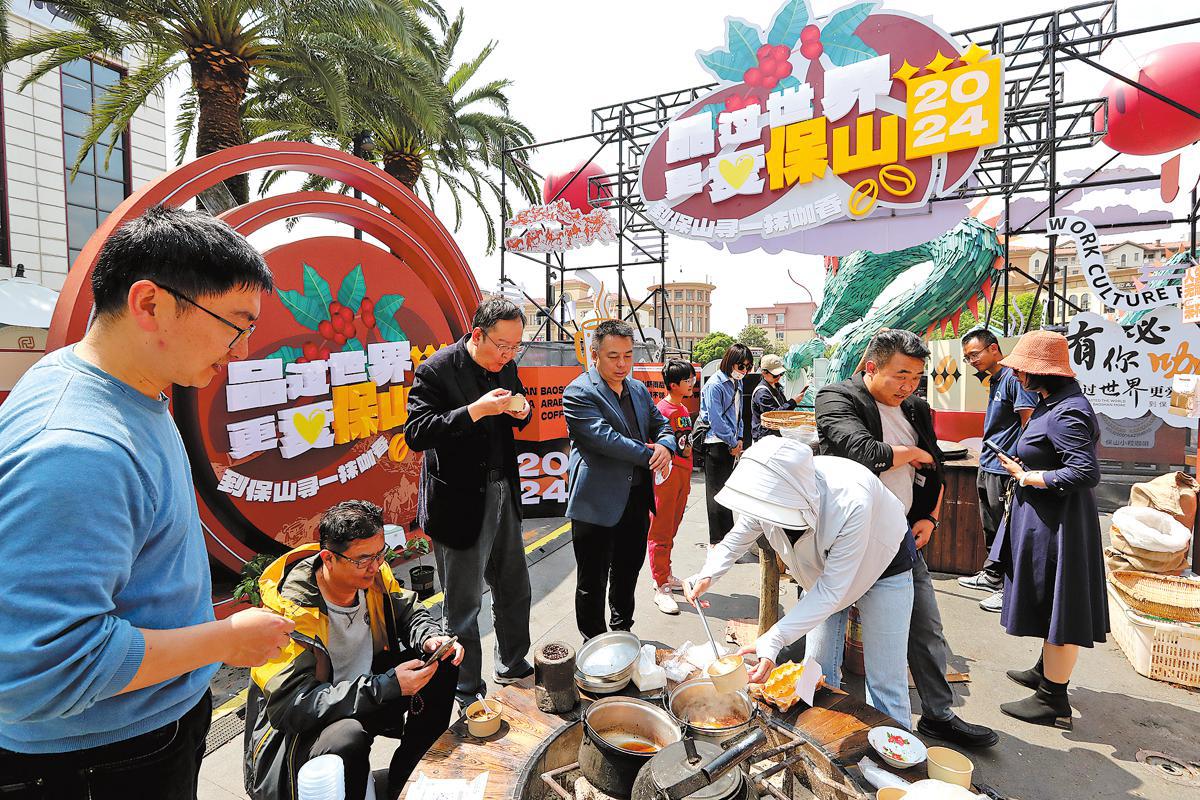
Tourists have a taste of Baoshan coffee at a tea-coffee festival in Kunming, Yunnan, in March last year. YANG ZHENG/FOR CHINA DAILY
Perfect blend
Yunnan has grown coffee for more than 130 years. Baoshan alone contributes up to 20 percent of the province's output. But until recently, the lack of infrastructure and access to markets stunted the region's potential.
That's changing. Baoshan now boasts more than 500 registered coffee trademarks. Social media, livestreaming and influencer marketing are helping raise the profile of local brands. Pop-up cafes, farm tours and barista competitions are drawing visitors. And most importantly, coffee is putting more money in farmers' pockets.
"Last year, a well-managed mu (one-fifteenth of a hectare) of coffee brought in around 15,000 yuan," Fan Qizuo said. His cooperative now includes over 2,000 farmers. "Coffee didn't just change my life, it changed our whole community."
Express delivery, once a distant urban service, has become an essential rural lifeline. As China deepens its efforts to narrow the urban-rural divide, Baoshan's coffee story offers a potent blend of tradition and innovation, showing how targeted investment in logistics can unlock the potential of even the most remote regions.
"We always believed our coffee was good," said Fan. "Now, thanks to delivery, the world also gets to taste it."
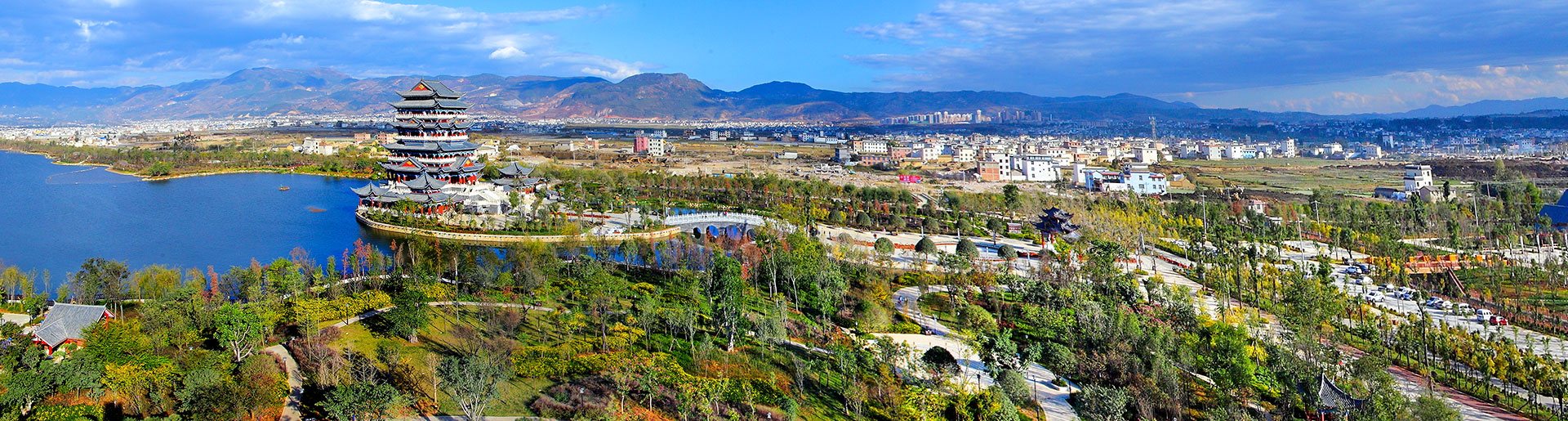
 China BaoShan